The Energy of Gratitude: How Appreciation Nourishes Ojas, Immunity, and Emotional Harmony
By Dr. Puja Shah
There are moments in life when we feel a natural softening inside the body — a sense of warmth, connection, and quiet expansion. Most people call this “gratitude.” Ayurveda calls it a shift in consciousness.
Gratitude is more than an emotion. It is an energetic frequency. A subtle medicine. A catalyst for harmony in the mind, body, and spirit.
For thousands of years, Ayurveda has taught that gratitude strengthens Ojas, calms the nervous system, supports immunity, and stabilizes the flow of Prana. Modern science is only now beginning to understand the magnitude of this truth.
When we turn toward appreciation — even for a breath, even for something small — something powerful happens inside the subtle body. We reconnect with ourselves. We align with clarity. We remember what it feels like to feel whole.
Gratitude as a Sattvic Experience
Ayurveda describes the mind through the lens of three gunas — Sattva, Rajas, and Tamas.
Sattva is clarity, peace, openness, and harmony.
Rajas is movement, urgency, and stimulation.
Tamas is obscurity, heaviness, and inertia.
Gratitude belongs entirely to Sattva. When you experience gratitude:
mental fog begins to clear
nervous system tension softens
the mind’s inner dialogue slows
the heart becomes more receptive
emotional perception becomes more refined
Gratitude doesn’t suppress difficult emotions. It creates spaciousness so they can be held with more ease. In Ayurveda, this is not merely psychological. It is energetic.
Sattva regulates the flow of Prana, guiding it gently into the heart and stabilizing the mind’s fluctuations. By simply generating a moment of appreciation, you invoke a cascade of coherence through your entire system.
How Gratitude Builds Ojas: The Subtle Essence of Vitality
One of the most profound Ayurvedic perspectives on gratitude is its ability to build Ojas — the finest extract of nourishment that governs immunity, emotional resilience, radiance, and overall vitality.
Ojas has physical, mental, and spiritual dimensions. Gratitude strengthens all three.
Why? Because gratitude shifts the nervous system into a state where deep nourishment becomes possible.
When we feel safe, connected, and present, our physiology changes:
breath deepens
cortisol decreases
digestion improves
emotional tension dissolves
the heart’s rhythm becomes more coherent
Ojas can only be formed when the system is calm. Even a brief moment of gratitude increases parasympathetic activity — meaning the body enters repair, integration, and rejuvenation. In Ayurveda, this is the ideal environment for Ojas to thrive.
This is why a gratitude practice, no matter how small, can influence immunity, energy levels, and emotional steadiness. Over time, gratitude becomes not just a feeling but an energetic reservoir.
Science Now Validates What Ayurveda Has Always Known
Recent research on gratitude is strikingly aligned with Ayurvedic teachings.
Gratitude strengthens the immune system
Studies show higher antibody levels and increased immune cell activity in individuals who practice daily gratitude reflection.
Gratitude improves sleep
Reflecting on positive experiences before bed reduces mental agitation and supports deeper, more restorative sleep cycles.
Gratitude reduces inflammation
Lower inflammatory markers and improved vagal tone have been observed in people who engage in regular gratitude practices.
Gratitude enhances emotional regulation
Brain scans reveal increased activation in regions tied to empathy, connection, and long-term well-being.
Science and Ayurveda speak different languages. But here, they are describing the same phenomenon: Gratitude alters the body’s internal landscape. It shifts us into a state where healing becomes more accessible.
How Gratitude Balances the Doshas
Ayurveda teaches that emotions influence the doshas — and gratitude is uniquely harmonizing.
Gratitude for Vata
Creates warmth, grounding, and anchoring
Reduces fear, restlessness, and overthinking
Gratitude for Pitta
Softens intensity, competitiveness, and irritability
Invites compassion and spaciousness
Gratitude for Kapha
Lifts stagnation, heaviness, and emotional inertia
Stimulates lightness and upward movement
No matter your constitution, gratitude acts like a gentle, universal tonic.
Practices to Cultivate Gratitude as Daily Medicine
These practices go beyond general journaling — they are energetic techniques rooted in Ayurvedic psychology and Sattvic cultivation.
1. The Heart-Breath Invocation
Before rising, place your hand over your heart. Inhale gently, exhale slowly, and acknowledge one thing that creates warmth. This awakens Sattva and stabilizes Prana for the day ahead.
2. Eat With Appreciation
Digestive fire responds not only to food but to emotion. Begin one meal today with a silent moment of gratitude — acknowledging the sources, hands, and elements that made your nourishment possible. This enhances Agni and contributes to Ojas formation.
3. Evening Reflection Meditation
At night, sit quietly for a few minutes and revisit one meaningful moment from your day. Not a dramatic moment — a subtle one. This simple act refines perception and calms the mind before sleep.
4. Gratitude When Challenged
Offer a quiet “thank you” for the lesson. This isn’t spiritual bypassing — it’s energetic mastery. It preserves your Prana and prevents emotional depletion.
5. Express Gratitude Outwardly
Ayurveda teaches that energy flows more freely when shared. Offering genuine appreciation to another person circulates Sattva in both hearts.
Gratitude Is Not a Mood — It Is a State of Consciousness
In Ayurveda, gratitude is a practice of remembering. Remembering connections. Remembering support. Remembering the inner light that remains steady even when life feels unpredictable.
Gratitude is not about perfecting positivity. It is about aligning with truth — the truth that nourishment is available in every moment if we pause long enough to receive it.
When practiced regularly, gratitude reshapes the subtle body:
Ojas increases
Prana flows smoothly
The mind becomes clearer
The heart becomes stronger
The spirit becomes steadier
Gratitude doesn’t change life instantly. It changes you — and that changes the way you move through life.
About Dr. Puja Shah, Editor-in-Chief of The Natural Law
Dr. Puja Shah is an award-winning author whose 93-year-old grandmother swore by Ayurvedic remedies and practiced yoga into her last days. And so while her education includes 9 years of medical training as a dentist, 3 teaching qualifications in yoga, and dozens of courses in meditation, it’s no wonder that she always goes back to Ayurveda. Puja harnesses Ayurveda regularly with her children and husband Amish Shah, Founder of The Natural Law.
Bring More Nourishment Into Your Home With Ayurvedic Cooking
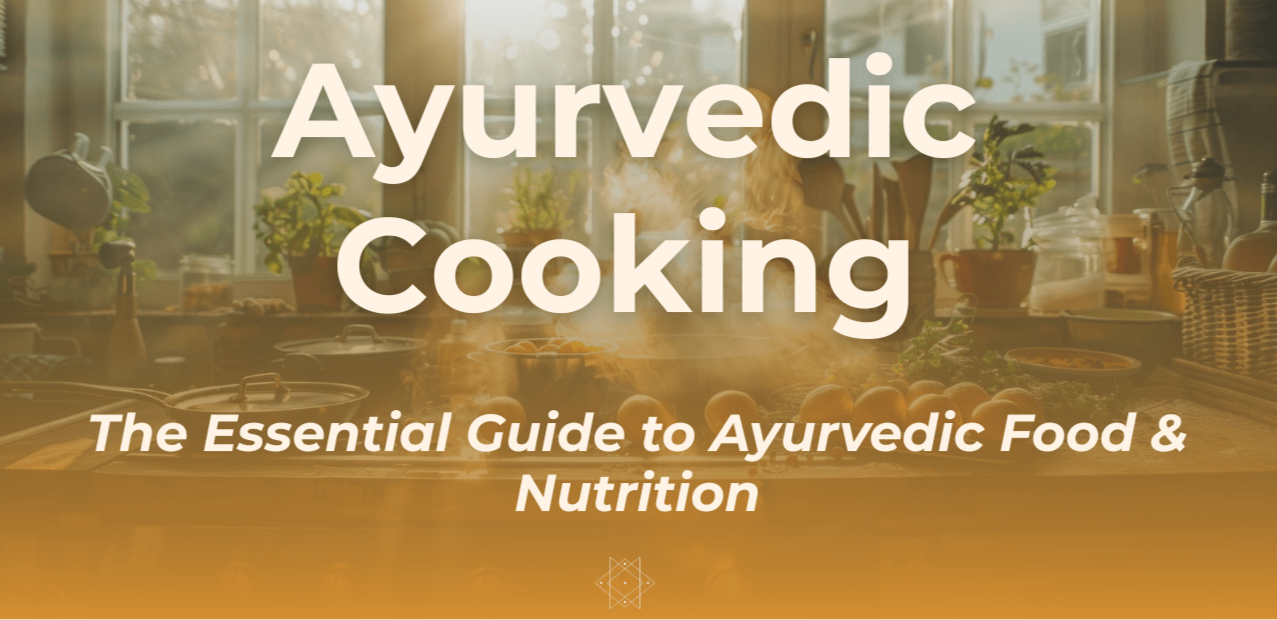
If you’re seeking to bring more presence, intention, and healing energy into your meals, our Ayurvedic Cooking course is a beautiful place to begin.
The Essential Guide To Ayurvedic Food & Nutrition
Explore this nourishing resource filled with foundational principles, healing recipes, and practical techniques that help you turn every meal into medicine.
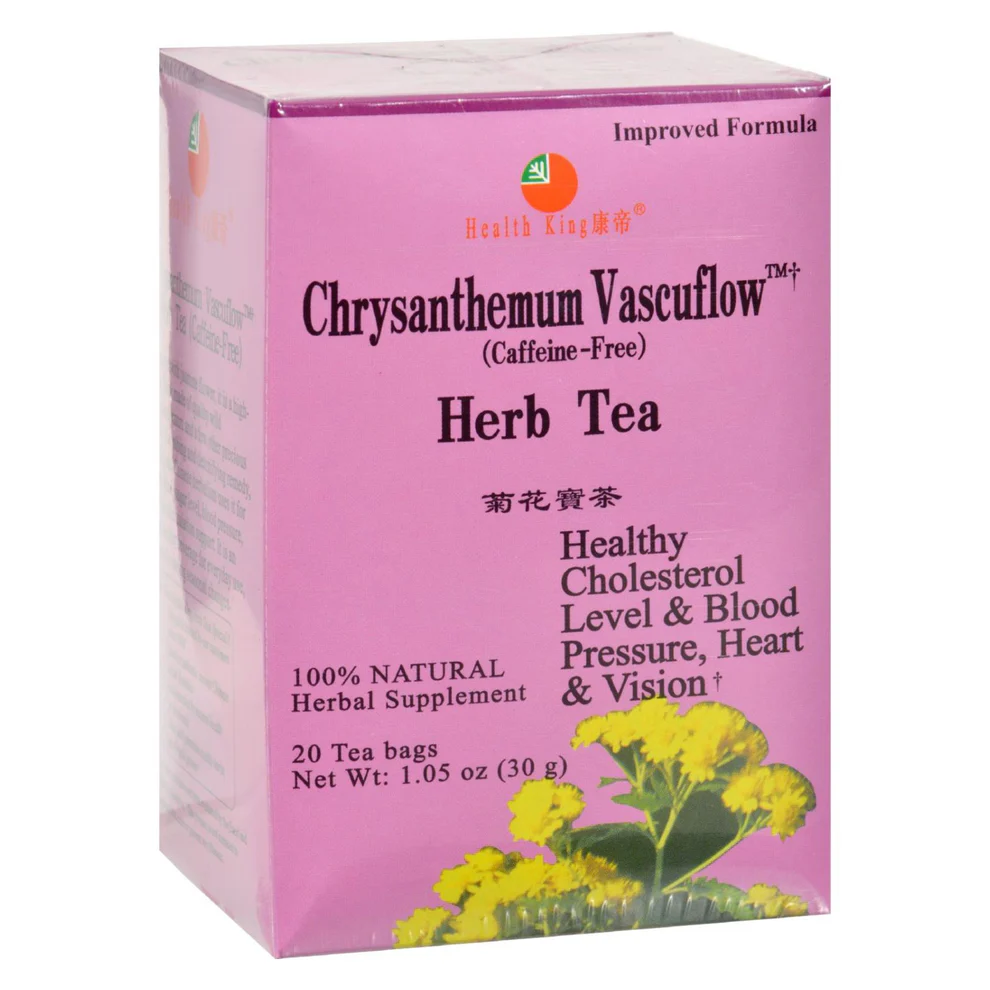
Benefits: Chrysanthemum tea is known for its cooling properties, making it an excellent choice for reducing heat in the body. It also supports vascular health and overall well-being.
Benefits:Coriander seeds are an excellent addition to cooling summer drinks, especially for balancing Pitta dosha. They help reduce internal heat and promote digestion. You can add crushed coriander seeds to your herbal teas or infuse them in water along with other cooling herbs like mint and fennel to create refreshing, Pitta-pacifying beverages.
Benefits:While ginger is inherently warming, it can be used in small amounts to enhance cooling drinks for Kapha dosha. It helps stimulate digestion and metabolism, which can be beneficial for Kapha’s tendency towards lethargy and heaviness. Add a pinch of ground ginger to a lemon-ginger lemonade or herbal tea to balance the cooling effects while providing a gentle boost to your digestive system.