From Fight-or-Flight to Flow: How Ayurveda Resets the Nervous System
By Dr. Puja Shah
You don’t need to look far to see it, the collective signs of an overworked nervous system.
Restless sleep. Racing thoughts. Emotional burnout. The sense that even rest doesn’t feel restful anymore.
Our modern world keeps us on high alert, constant notifications, shifting priorities, and invisible pressure to do and be more. We call it “stress,” but Ayurveda sees something deeper: a disruption of our internal rhythm.
At the heart of that rhythm lies the nervous system, the bridge between body and mind. And when that bridge is frayed, everything from digestion to mood to immunity suffers.
Ayurveda’s View: When Vata Takes the Lead
In Ayurveda, the nervous system is primarily governed by Vata dosha, the energy of movement, communication, and change.
Vata is light, dry, mobile, and quick, qualities that allow us to think, create, and respond to life. But when pushed too far, these same qualities become erratic, leading to instability in the mind and body.
You may notice:
Irregular sleep or restlessness
Sensitivity to sound or overstimulation
Sudden mood swings or anxiety
Fatigue that feels wired rather than heavy
This is Vata out of balance, the Ayurvedic mirror of nervous system dysregulation.
When Vata dominates for too long, it depletes Ojas, the subtle essence of vitality that gives you resilience, radiance, and a sense of peace. Low Ojas feels like burnout: you’re running on empty, even after rest.
The Science of a Frayed Nervous System
Modern research describes this same imbalance through the lens of the autonomic nervous system, the delicate balance between sympathetic (fight-or-flight) and parasympathetic (rest-and-digest) states.
When we live in constant stress, the sympathetic system becomes dominant. The body stays ready for danger even when none is present.
Over time, this “always on” mode dulls emotional resilience, just as Ayurveda teaches that excessive Vata drains Ojas.
The good news? Both ancient wisdom and modern science agree that we can re-train the nervous system to find safety again, through rhythm, grounding, and self-awareness.
Resetting Calm: Where Ayurveda and Neuroscience Meet
Ayurveda offers a roadmap back to calm that aligns beautifully with what neuroscience calls vagal toning, activating the vagus nerve, a key communicator between the brain and body.
When the vagus nerve is stimulated through slow breathing, warmth, and sensory connection, the body shifts from stress to restoration.
This is exactly what Ayurvedic rituals do.
Here’s how you can begin your own nervous system reset:
1.Warm Oil Self-Massage (Abhyanga)
Abhyanga is more than skincare — it’s nervous system therapy.
The act of massaging warm oil into your skin signals safety to the body. It grounds the airy, erratic nature of Vata and promotes deep relaxation.
Warm sesame or almond oil. Massage it gently over your body, from your scalp to your feet, using long strokes on the limbs and circular motions on the joints.
Leave it on for 10–15 minutes before bathing.
This ritual lowers cortisol, improves circulation, and releases tension, giving your nervous system the message it longs to hear: You are safe.
2.Steady Meals, Steady Mind
Irregular eating patterns, skipping meals, or eating on the go can aggravate Vata and destabilize blood sugar, both of which heighten stress responses.
Try to eat three warm, nourishing meals a day at consistent times.
Favor grounding foods: cooked grains, root vegetables, stews, and ghee.
Avoid raw or cold foods that increase internal lightness and anxiety.
When you eat predictably, your nervous system learns predictability too, and stability begins to return.
3.Regulate Through Breath
Your breath is the fastest way to calm your nervous system. Ayurveda considers the breath (Prana) the direct bridge between body and consciousness.
When the breath is erratic, the mind follows. When it’s steady, the mind softens.
Try this: Sit comfortably. Inhale through your nose for 4 counts, hold for 2, and exhale slowly for 6. Repeat 10 times.
This simple rhythm stimulates the vagus nerve, reduces heart rate, and quiets inner agitation.
4.Create Rhythms of Rest
Modern life has lost rhythm. We move from one task to another without pause.
Ayurveda teaches that health thrives on routine, consistent times for waking, eating, and sleeping.
Even small rituals restore harmony:
Going to bed before 10 PM (to avoid late-night Vata activation).
Eating lunch when the sun is highest (for stronger digestion).
Creating digital cutoffs after sunset.
These rhythms create safety cues for your nervous system, much like a soothing lullaby for the body.
5.Strengthen Ojas: The Essence of Resilience
Ojas is your inner reserve, the subtle energy that keeps you calm under pressure, radiant in spirit, and strong in immunity.
When life depletes you, rebuilding Ojas is essential.
Ayurvedic ways to build Ojas:
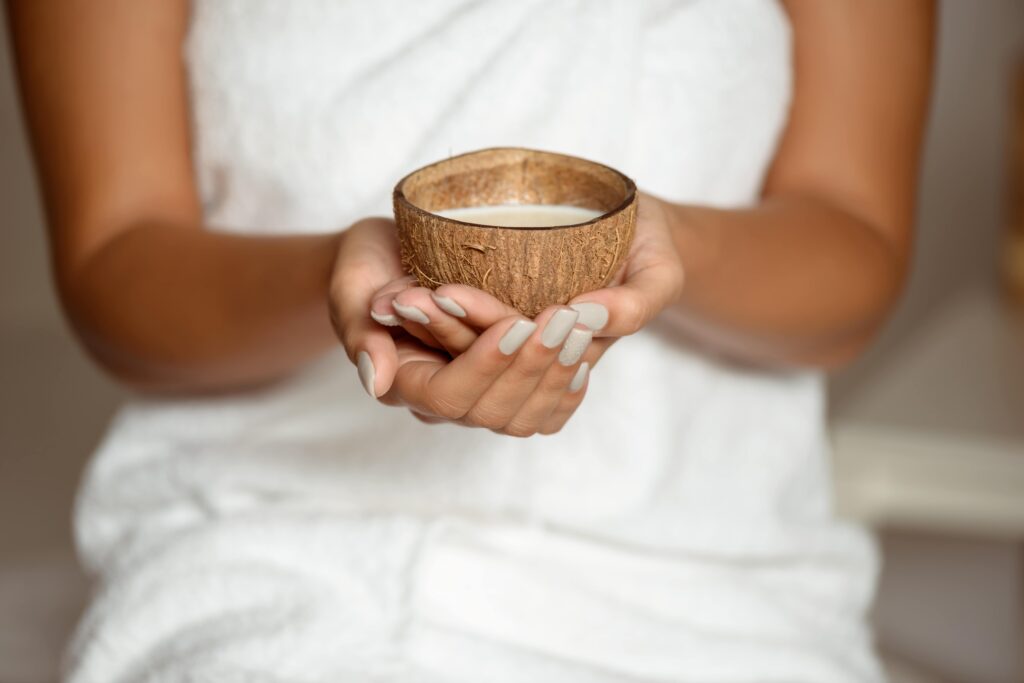
Sip warm milk with ghee and nutmeg before bed.
Practice gratitude or prayer daily.
Spend time in sunlight or nature.
Rest after meals to let your system absorb nourishment fully.
These practices feed the nervous system at its deepest level, not through stimulation, but through replenishment.
The Return to Inner Safety
In Ayurveda, the goal of healing isn’t simply to remove stress, it’s to remember safety.
When the body feels safe, the mind quiets. When the mind quiets, awareness awakens.
The nervous system doesn’t need control; it needs compassion.
And through daily Ayurvedic rituals — warmth, rhythm, nourishment, and presence — you can offer that compassion to yourself.
Sometimes we feel off, tired, irritable, foggy, bloated and try to “fix” the symptom before understanding its root. In Ayurveda, this is where the doshas (Vata, Pitta, and Kapha) offer us a powerful roadmap.
But what happens when your symptoms don’t clearly point to just one dosha?
What if your anxiety feels like Vata, but your irritability screams Pitta? Or your lethargy says Kapha, while your agitation says otherwise?
You’re not broken, you’re simply layered.
And this week, we’re diving into how to recognize and navigate overlapping dosha imbalances with clarity, compassion, and the guidance of Ayurvedic wisdom.
About Dr. Puja Shah, Editor-in-Chief of The Natural Law
Dr. Puja Shah is an award-winning author whose 93 year old grandmother swore by Ayurvedic remedies and practiced yoga into her last days. And so while her education includes 9 years of medical training as a dentist, 3 teaching qualifications in yoga, and dozens of courses in meditation, it’s no wonder that she always goes back to Ayurveda. Puja harnesses Ayurveda regularly with her children and husband Amish Shah, Founder of The Natural Law.
When the Mind Is Guided by Wisdom,
the Body Remembers How to Rest
Your nervous system doesn’t heal through quick fixes, it heals through rhythm, awareness, and the steady guidance of wisdom.
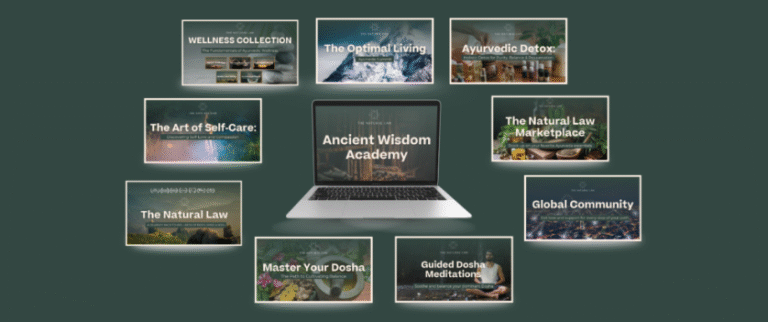
Inside the Ancient Wisdom Academy, you’ll find a nurturing space to deepen your Ayurvedic journey, with access to transformative courses, live mentoring, and a growing library of teachings from the world’s leading Ayurveda experts.
Learn how to balance your energy, calm your mind, and integrate timeless Ayurvedic wisdom into your everyday life.
Because peace isn’t something you chase — it’s something you practice.