
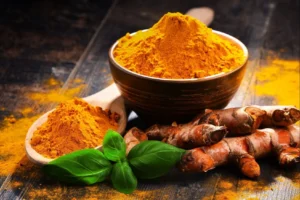
7 Ayurvedic Foods for Glowing Skin
Your skin reflects your internal health. Ayurveda emphasizes that digestion, blood purity, and a balance of bodily energies (doshas) are key to achieving radiant skin. Here are seven foods that nourish your skin from within:
- Turmeric: Anti-inflammatory properties reduce redness and acne while fighting free radicals.
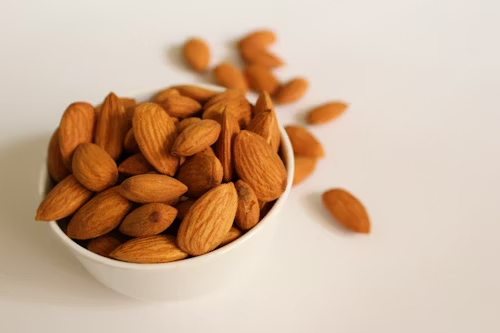
- Almonds: Rich in Vitamin E and amino acids to support collagen and hydration.
- Pomegranate: Packed with antioxidants to protect against UV damage and brighten skin tone.
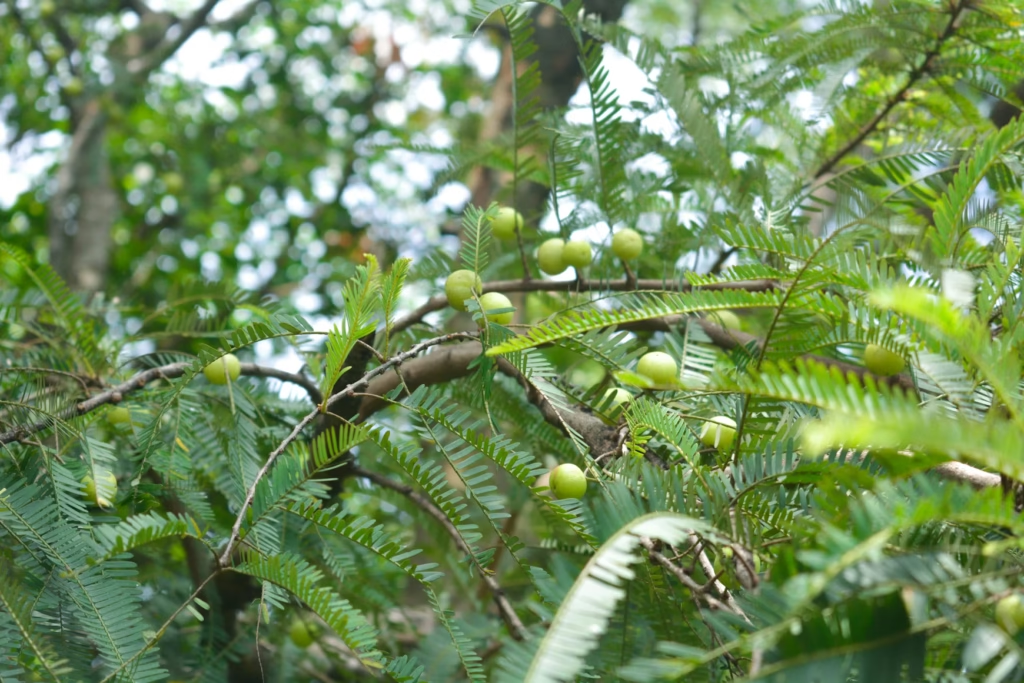
- Amla (Indian Gooseberry): High in Vitamin C for collagen production and reducing dark spots.
- Leafy Greens: Purify blood and provide essential nutrients for clear skin.
- Ginger: Boosts digestion and circulation, helping to cleanse toxins.
- Ghee: Hydrates deeply and supports skin elasticity with fat-soluble vitamins.
These foods work together to improve digestion, balance doshas, and enhance your skin’s natural glow. Start small – add turmeric to milk, snack on almonds, or drink amla juice in the morning. Consistency over time can lead to lasting results.
1. Turmeric
Turmeric owes its skin-boosting reputation to curcumin, a compound known for its anti-inflammatory properties.
By blocking pro-inflammatory genes, curcumin can help reduce redness, breakouts, and irritation. It also speeds up wound healing and can help minimize scarring.
Ayurvedic Principles Supporting Skin Radiance
In Ayurveda, turmeric, also called Haridra, is celebrated for its ability to purify the blood (Rakta Shodhana), helping to prevent inflammatory skin issues from within. It’s particularly effective in balancing Pitta dosha, which governs heat and inflammation, making it a go-to for calming acne-prone or sensitive skin. Even better, turmeric is considered “tridoshic”, meaning it benefits all skin types – dry (Vata), sensitive (Pitta), and oily (Kapha).
Easy Ways to Add Turmeric to Your Diet
One of the simplest ways to enjoy turmeric is by making Golden Milk.
Just mix 1 teaspoon of turmeric with 2 cups of milk (dairy or plant-based), a pinch of black pepper, and a sprinkle of cinnamon.
Simmer it on low heat for a soothing drink.
Turmeric also pairs well with everyday dishes like lentils, rice, soups, or stews. Since curcumin is fat-soluble, combining it with a healthy fat like ghee or coconut oil – and a bit of black pepper – can significantly improve absorption.
2. Almonds: Vitamin E and Collagen Support
Almonds pack a punch when it comes to skin health. Just one ounce – about 23 almonds – provides half of your daily Vitamin E needs.
This particular form of Vitamin E, known as d-alpha-tocopherol, acts as a powerful antioxidant, protecting skin cells from damage caused by UV rays and environmental pollutants. Almonds also contain essential amino acids that play a role in collagen production, keeping skin firm and elastic. Plus, they offer linoleic acid, which helps maintain the skin’s moisture barrier.
Studies suggest that eating almonds daily can improve skin’s resistance to UVB rays, reduce wrinkles, and even out skin tone by lightening pigmentation. These findings align with Ayurvedic teachings, which emphasize nourishing the body from within to achieve glowing skin.
Ayurvedic Principles Supporting Skin Radiance
In Ayurveda, almonds hold a revered place as a Rasayana, or rejuvenative tonic, that enhances vitality and promotes a healthy glow.
They are particularly valued for their ability to balance the Vata dosha, which, when out of harmony, can lead to dryness and premature aging.
Thanks to their rich, oily nature, almonds help combat rough, flaky skin and restore moisture. They are also classified as Sattvic, meaning they support purity and clarity in both the body and mind.
Easy Ways to Add Almonds to Your Diet
Incorporating almonds into your diet doesn’t have to be complicated. A simple Ayurvedic tip is to soak 8–10 almonds overnight, peel them in the morning, and enjoy them as a snack to boost digestibility.
You can also blend soaked almonds with raisins, figs, and a pinch of saffron for a nutrient-rich treat. For everyday meals, sprinkle sliced almonds over oatmeal, yogurt, or salads.
Another option is to mix almond powder into warm milk for a soothing, skin-nourishing drink. Pairing almonds with ripe mango can further hydrate the skin, and applying almond oil to your face before bed can help replenish moisture while you sleep.
3. Pomegranate: Antioxidant-Rich Fruit
Pomegranates are packed with antioxidants like polyphenols, ellagic acid, punicic acid, and Vitamin C, each playing a role in improving skin health. These nutrients help protect against UV damage, boost collagen production, and even reduce the appearance of age spots and wrinkles.
One standout feature of pomegranate is its ability to inhibit tyrosinase activity, an enzyme linked to skin pigmentation, which naturally enhances your skin’s brightness.
Hydration is another key benefit.
The pomegranate seeds are rich in oil – about 18% – with 65% of that being punicic acid, which soothes inflammation and nourishes the skin.
Ayurvedic Principles Supporting Skin Radiance
In Ayurveda, pomegranate is called Dadima and is celebrated for its dual role as both food (ahara) and medicine (aushadha).
The fruit’s astringent taste, or Kashaya Rasa, is known to balance Pitta and Kapha doshas while toning skin tissues and aiding detoxification. Ayurveda also credits pomegranate with supporting both dermal and epidermal regeneration, making it a holistic choice for skin health.
Pomegranate also aids in providing hydration to the skin, keeping it moisturized and supple. Moreover, it supports the production of hyaluronic acid, a natural substance that helps maintain the skin's moisture and plumpness
Dr. Kriti Soni, Kapiva
Easy Ways to Add Pomegranate to Your Diet
Incorporating pomegranate into your meals is simple and delicious.
Try sprinkling the seeds over oatmeal, yogurt, or chia pudding in the morning. Add them to salads for a burst of flavor or blend them into smoothies to keep the fiber intact.
For a creative twist, mix the seeds with onion, cilantro, lemon, and chili for a refreshing salsa. If you’re in the mood for a traditional Ayurvedic remedy, mix a teaspoon of sun-dried pomegranate peel powder with rose water and apply it as a face mask for 15–20 minutes.
4. Amla (Indian Gooseberry): Vitamin C Source
Amla, or Indian gooseberry, is a powerhouse of Vitamin C, offering one of the highest natural concentrations of this essential nutrient. While our skin can’t produce Vitamin C on its own, it relies on this vital compound to maintain a healthy, radiant glow.
Nutritional Benefits for Skin Health
Amla delivers an impressive 600–700 mg of Vitamin C per fruit, with its fresh juice boasting up to 20 times more Vitamin C than orange juice. This nutrient is crucial for collagen production, which keeps skin firm and youthful.
Beyond Vitamin C, amla is packed with polyphenols, flavonoids, and tannins, all of which combat free radicals before they can damage skin cells. It also contains alpha hydroxy acids (AHAs), which gently exfoliate dead skin cells to reveal smoother, more refined skin. A
Ayurvedic Principles Supporting Skin Radiance
In Ayurveda, amla is revered as a Rasayana, or rejuvenating herb, that enhances Ojas – the subtle energy linked to vitality and radiance. This fruit is unique in its ability to balance all three doshas: it soothes Pitta (inflammation and redness), regulates Kapha (sebum production), and supports Vata (circulation).
Amla also purifies the blood, helping to clear ama (toxins) that can lead to breakouts and dullness. By supporting Agni (digestive fire), it ensures nutrients are efficiently delivered to skin cells – an essential aspect of Ayurvedic beauty principles. These combined benefits make amla a valuable addition to any skincare routine.
Vitamin C is a natural antioxidant that protects against free radicals. It helps in slowing down the aging process and is needed for collagen production hence keeping your skin, hair healthy and supports the immune system."
Dr. Rupali Datta, Ayurvedic Nutritionist
Easy Ways to Add Amla to Your Diet
Incorporating amla into your diet is simple and rewarding. Fresh amla juice is a quick way to boost your nutrient intake – blend chopped amla with water, strain, and drink 20–30 ml (2/3–1 fl oz) each morning.
If the tartness is overwhelming, a teaspoon of honey can help balance the flavor. You can also enjoy fresh amla pieces sprinkled with chaat masala or dipped in honey for a tangy treat.
For added convenience, mix a teaspoon of amla powder into your smoothie, yogurt, or oatmeal. Another option is to infuse water with sliced amla – just refrigerate overnight for a refreshing detox drink.
These simple methods make it easy to enjoy amla’s skin-nourishing benefits daily.
5. Leafy Greens: Blood Purification
Leafy greens like spinach offer more than just a nutritional boost – they actively support your body’s natural detox processes, which can result in healthier, more vibrant skin.
Spinach is a powerhouses when it comes to skin nourishment.
These nutrients play a key role in skin health: iron promotes oxygenation of blood and tissues for that sought-after glow, while vitamin A aids in cell renewal, keeping your skin fresh and rejuvenated.
Greens are packed with chlorophyll, a natural blood purifier that may help combat clogged pores. They also deliver vitamin C for collagen production and vitamin E for anti-inflammatory support, strengthening your skin’s barrier.
Ayurvedic Principles Supporting Skin Radiance
In Ayurveda, leafy greens are celebrated for their ability to purify the blood, directly impacting skin health. The skin reflects the state of your Rakta (blood) and Rasa (lymph) tissues, so cleansing these systems can lead to a clearer, more radiant complexion. They work to flush out toxins while oxygenating the skin, leaving it refreshed and glowing.
Greens are particularly helpful for calming the Pitta dosha, which represents the fire element. When out of balance, Pitta can cause redness, inflammation, and breakouts. The cooling properties not only soothe irritated skin but also support the development of Ojas, the essence of vitality that shows up as glowing skin and bright eyes.
How to Add These Greens to Your Diet
Adding greens to your meals is easy and flexible. For a refreshing smoothie, blend 1 cup of spinach with 2 cups of almond milk and a banana.
For cooked dishes, toss fresh greens into soups or curries at the end of cooking to preserve their nutrients.
Cooking these greens with spices like ginger or cumin not only enhances flavor but also improves digestion, ensuring your skin reaps the full benefits.
6. Ginger: Circulation and Digestion Booster
Ginger is a powerful ally for digestion and circulation, which are key factors in achieving glowing, healthy skin.
Nutritional Benefits for Skin Health
Ginger is packed with around 40 antioxidants that work to shield skin cells from free radical damage, helping to combat premature aging. Just 100 grams of ginger provides 12% of your daily vitamin B6, 8% of vitamin C, 25% of copper, and 11% of magnesium. These nutrients are essential for collagen production and repairing skin cells, both of which contribute to a youthful appearance.
The gingerols in ginger offer antibacterial and anti-inflammatory benefits, stimulate bile production for better nutrient absorption, and improve blood flow by dilating blood vessels.
Ayurvedic Principles Supporting Skin Radiance
In Ayurveda, the skin reflects the health of the gut. Ginger is known to strengthen Agni (digestive fire), ensuring nutrients are properly processed to nourish the Rasa (lymph) and Rakta (blood) tissues that contribute to vibrant skin. Poor digestion can lead to the buildup of Ama (toxins), which may cause clogged pores or breakouts. Ginger helps “burn away” these toxins before they impact your skin.
As a warming spice, ginger helps balance Vata by improving circulation and supports Kapha by energizing sluggish systems that can lead to dull or oily skin.
This makes ginger a versatile addition to your routine for better skin health.
Easy Ways to Add Ginger to Your Diet
Kick off your day with a fresh ginger juice blend – combine it with carrot and apple for a digestion-friendly drink that supports clearer skin. Incorporate fresh or dried ginger into curries, soups, and vegetable dishes; it pairs wonderfully with turmeric, cumin, and garlic.
For a simple pre-meal ritual, chew on a small slice of fresh ginger sprinkled with salt, or mix one teaspoon of ginger juice with half a teaspoon of ghee to promote internal hydration.
7. Ghee and Healthy Fats: Internal Moisture
Ghee nourishes your skin from the inside out, reaching deeper tissue layers in a way that topical moisturizers simply can’t.
Nutritional Benefits for Skin Health
Ghee is packed with fat-soluble vitamins A, D, E, and K, which play a key role in repairing skin, supporting collagen production, and maintaining elasticity. It also contains Omega-3 fatty acids and Conjugated Linoleic Acid (CLA), both of which act as antioxidants to combat free radicals and reduce early signs of aging. Additionally, the butyric acid in ghee offers anti-inflammatory and antimicrobial properties, which help fortify the skin barrier and soothe conditions like eczema or redness.
Ayurvedic Principles Supporting Skin Radiance
Beyond its nutritional perks, ghee holds a special place in Ayurveda. Known as Sneha – a Sanskrit word that translates to both “oiliness” and “love” – ghee is regarded as the ultimate nourishing agent. It penetrates the srotas (microchannels) to deeply nourish the dhatus (tissues), going far beyond surface-level hydration.
In Ayurveda, ghee is celebrated for enhancing Ojas, the essence of vitality and immunity that gives skin a natural, radiant glow. Being Tridoshic, it works for all body types, effectively cooling Pitta-related inflammation and relieving Vata-induced dryness. Ghee also supports Agni (digestive fire), helping to eliminate Ama (toxins) that can lead to breakouts or dull skin.
These principles align beautifully with modern dietary practices, making ghee an easy addition to your routine.
Simple Ways to Add Ghee to Your Diet
Adding ghee to your meals is straightforward. Begin your day by mixing 1 teaspoon of ghee into warm water to aid digestion and hydrate your tissues. Ghee is perfect for sautéing vegetables or frying, making it a great alternative to refined oils. Stir a teaspoon into warm rice, lentils, porridge, or soup just before serving to enhance nutrient absorption. For a quick overnight remedy, apply a small amount of warm ghee to your lips before bed to heal cracks and restore natural color.
Conclusion
Each of these Ayurvedic foods plays a role in supporting skin health from the inside out. Instead of focusing on surface-level fixes, they work to address deeper issues. For instance, turmeric and leafy greens help purify the blood, while ginger strengthens agni (digestive fire) to enhance nutrient absorption from foods like almonds, pomegranate, and amla. Ghee, rich in fat-soluble vitamins, provides internal hydration and nurtures ojas – the vital energy that reflects in your skin’s natural glow, staying true to Ayurvedic principles.




Crystals for Vata Balance
Nourish Your Emotional Resilience

Deepen your inner balance with the 7 Days of Self-Love mini course. Grounded in Ayurvedic principles, this week-long journey guides you through daily practices – from self-massage to mindful cooking – that nourish emotional resilience, strengthen relationships, and help you embody a more stable, grounded inner rhythm.
Recent Blog Post


© 2023 The Natural Law | Privacy Policy | Terms of Use